
Slow follow-up
The inquiry came in. Everyone assumes someone else replied.
Response should not depend on luck

Crouch Development
1% Better Systems
Crouch Development builds lead capture, CRM cleanup, follow-up automation, dashboards, and AI-assisted workflows for businesses where work gets lost between the first message and the finished result.
Websites, forms, automations, reporting, and internal tools designed as one clear operating layer.
When the next step is obvious, the business gets quieter.
For founder-led teams and growing service businesses that need cleaner systems, not more operational chaos.
The goal is not a pitch. It is a better operating rhythm.
Systems Depth
The language stays plain. The technical depth underneath it does not.
Enterprise platforms, reporting environments, field systems, and production constraints all shape how the work gets built.
Common Friction
Most teams do not need more ideas.
They need clearer ownership, cleaner follow-through, and less work depending on memory.
Slow follow-up
The inquiry came in. Everyone assumes someone else replied.
Response should not depend on luck
Scattered communication
The same job gets reconstructed from inboxes, texts, spreadsheets, and memory.
One place for the next step
Operational drag
Too much energy goes into checking status, chasing context, and repeating admin.
Less drag between handoffs
Low visibility
Leadership feels the issue before anyone can point to it clearly.
Visibility before cleanup

Capture
Every inquiry lands in one place.
Route
Requests move to the right owner fast.
Follow-up
No opportunity waits on memory.
Visibility
Leadership can see what needs attention.
Workflow Study
Most bottlenecks are not dramatic. They sit quietly between one handoff and the next.
This is the kind of movement the system is trying to protect: captured, assigned, advanced, reviewed, completed.
Every handoff should leave a visible trail.
Ownership should survive a busy day.
Status should be visible before it becomes a meeting.
Proof
Buffington and Frontline show the range: a contractor site built to earn local trust and a nonprofit site built to clarify mission. Different worlds, same job: help the visitor understand, trust, and act.

CONTRACTOR SYSTEM
Contractor website and inquiry surface built to turn local trust, services, and project proof into cleaner estimate requests.
Open Site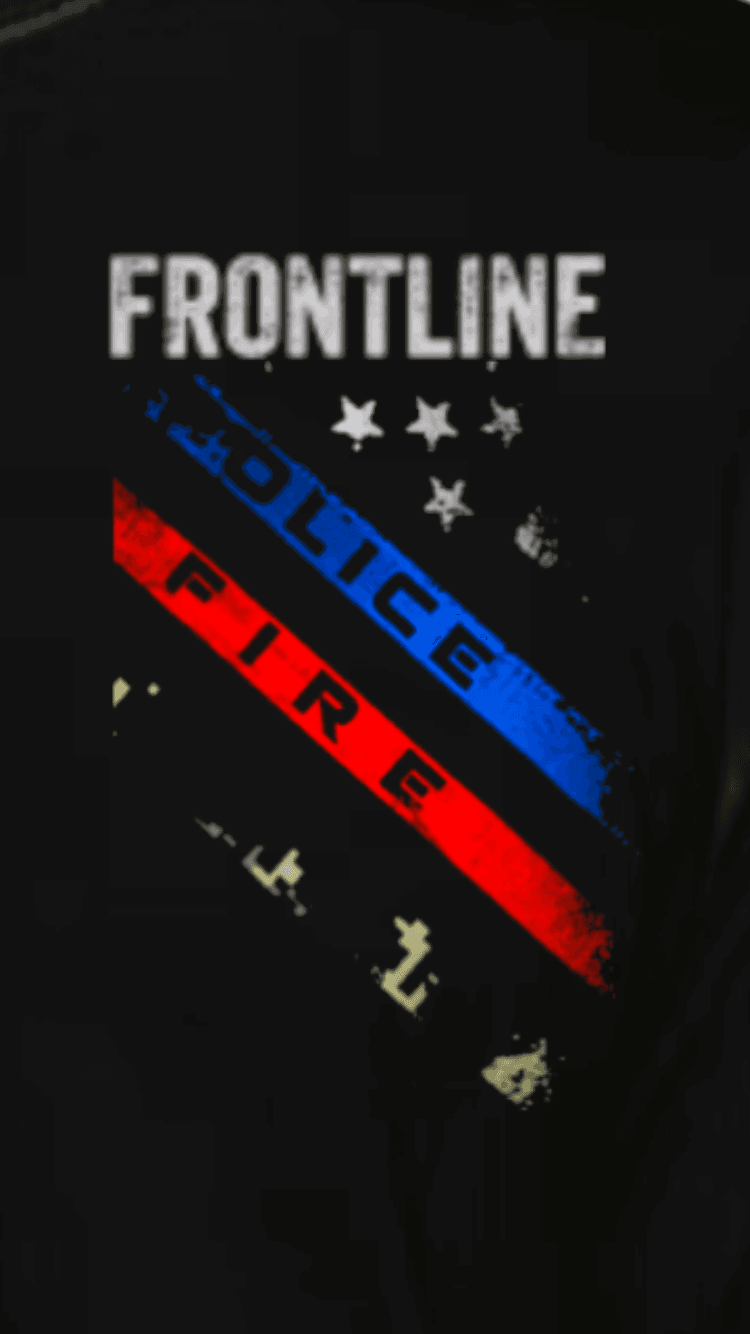
NONPROFIT SYSTEM
Mission-driven nonprofit site built around credibility, clarity, and a stronger path for visitors to understand the work.
Open SiteWhat Gets Built
Not vague automation. Not another tool for the pile. The work is usually a clearer capture point, a cleaner handoff, a better view of status, or a workflow people can actually keep using.
How Work Starts
The first step is not picking a stack. It is finding the part of the operating flow that keeps forcing people back into memory, inboxes, spreadsheets, or last-minute cleanup.
01
Bring the part of the business that keeps slowing down: leads, handoffs, follow-up, reporting, or internal tools.
02
Trace how work moves today, where ownership gets fuzzy, and which tool or spreadsheet became the hidden system.
03
Create the smallest useful system that improves capture, routing, visibility, or follow-through without adding noise.
04
Put the system in front of real work, watch where it holds, and improve the rhythm after reality touches it.
Who This Helps
The fit is usually about operating condition, not industry.
If the business has too many handoffs, weak follow-through, and no clean view of what needs attention, the pattern is familiar.
When too much of the business still lives in the owner's head, growth starts creating more confusion than relief.
The phones are ringing, but intake, follow-up, scheduling, and handoffs have not caught up with the pace of demand.
The stack keeps expanding, but nobody feels more aligned. New software keeps getting added without a cleaner operating layer.
Not broken. Not starting over. Just ready to reduce noise, move faster, and make better decisions with less friction.
Flagship System
It did not begin as a product idea. It emerged from the same recurring problem seen across teams, projects, and growing businesses: important work stays too easy to lose.
Outcomes OS turns that operational thinking into a visible daily structure for priorities, follow-through, review, and momentum.
Priorities that survive the day
Review loops that catch drift early
A calmer view of what still needs attention
Future Screens
Future Metrics
Bridge Layer
Most businesses do not break from one dramatic failure.
They leak execution between handoffs, callbacks, approvals, and the moments nobody fully owns.
The useful work is the connective layer that keeps those moments visible.
Systems Preview
These are not abstract ideas. They are working studies, products, and public artifacts built around clearer execution.
View SystemsFlagship System
A daily operating system for priorities, review loops, and follow-through when the work is too important to manage by memory.
Workflow Prototype
A proposal workflow study built to move contractors from customer context to usable estimates with less delay.
Selected Builds
Public-facing work shaped around trust, clarity, and the quality of the next step.
Enterprise Experience
The work stays grounded in ordinary business problems.
The discipline behind it comes from enterprise platforms, reporting environments, infrastructure patterns, and decades of building systems that have to keep working.
Why It Matters
Credibility matters because the systems are expected to hold up when the business gets busy, not just when the room is quiet.
Field Notes
Plain observations about ownership, follow-through, visibility, AI, and the quiet failures that tax a business.
Production Mode
Notes, tools, and prototypes only matter if they create completed work. Production Mode is the state underneath that outcome: less drift, clearer next moves, and fewer loose ends left in motion.
Contact
If the business is dealing with slow follow-up, scattered communication, weak visibility, or tools that still leave the work feeling loose, that is usually a useful place to compare notes.